
 written by
 The modern factory is no longer defined by noise, labor density, or even human presence. It is increasingly defined by silence, precision, and autonomous intelligence. Across advanced manufacturing hubs, a new paradigm is emerging where GPU clusters orchestrate entire production ecosystems with minimal human oversight. These “ghost factories” operate continuously, leveraging artificial intelligence, robotics, and edge computing to achieve levels of efficiency and adaptability that were previously unattainable.
This shift is not theoretical. It is grounded in accelerating advances in AI hardware and industrial systems. A 2024 study published in Nature Machine Intelligence demonstrates that reinforcement learning driven robotic systems can outperform traditional rule based automation in dynamic environments. Similarly, research in IEEE Transactions on Industrial Informatics 2023 shows that GPU accelerated vision systems improve defect detection accuracy by more than 40 percent compared to conventional inspection methods.
The Rise of Ghost Factories

Ghost factories, also known as lights out manufacturing facilities, are production environments designed to run առանց continuous human intervention. Unlike earlier generations of automation, these systems are not static or pre programmed. They are adaptive, learning driven, and capable of real time optimization.
At their core, ghost factories integrate four key capabilities. Autonomous robotics handle assembly and material transport. Computer vision systems ensure quality control at micron level precision. AI driven logistics coordinate inventory and supply chains. Centralized intelligence layers make continuous operational decisions.
The result is a manufacturing system that does not just execute tasks, but improves itself over time.
GPU Clusters as Industrial Intelligence Engines
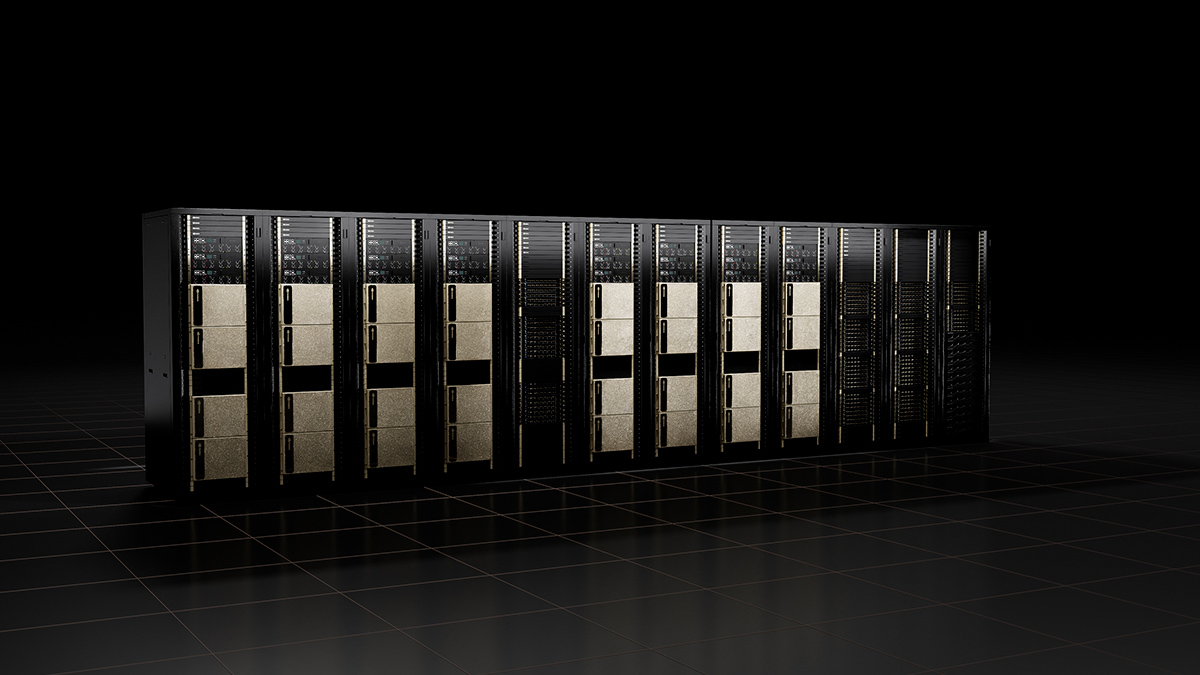
At the heart of every ghost factory is a GPU cluster acting as a distributed cognitive system.
GPUs enable massive parallel processing, allowing factories to simultaneously analyze video feeds, sensor data, and operational metrics in real time. This capability is essential for coordinating thousands of micro decisions across robotic systems.
Edge deployed GPU nodes bring computation physically closer to machines. This reduces latency to milliseconds, which is critical for motion control, safety systems, and dynamic adjustments on the production line.
Continuous learning loops further enhance performance. Data generated during production feeds directly into training pipelines, enabling models to refine predictions, optimize throughput, and anticipate failures.
Research published in ACM Journal on Emerging Technologies in Computing Systems 2023 shows that GPU accelerated edge AI can reduce industrial response times by up to 70 percent, fundamentally changing operational efficiency.
Core Systems That Power Autonomous Manufacturing
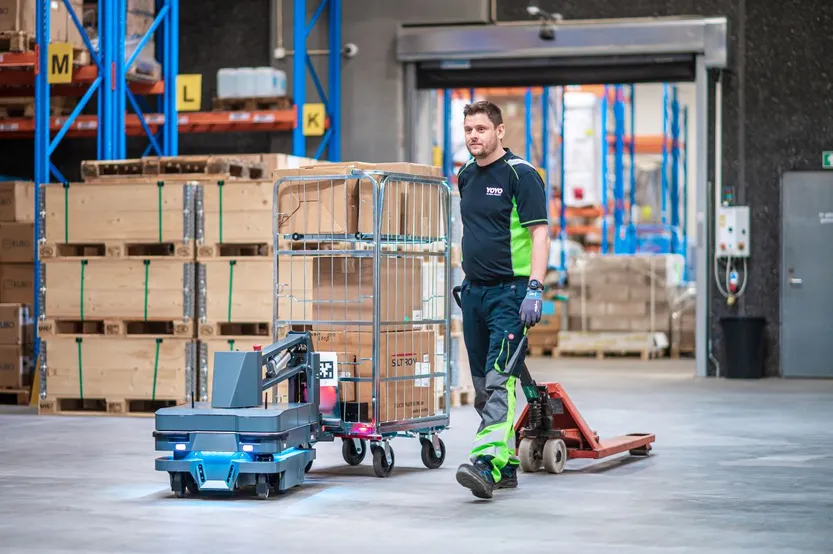
Autonomous manufacturing is built on a tightly integrated stack of intelligent systems.
Reinforcement learning enables robots to adapt to variability in materials and processes, moving beyond rigid programming into dynamic decision making.
Computer vision systems, powered by deep neural networks, detect defects in real time with a level of consistency that surpasses human inspection. These systems continuously improve as they are exposed to new data.
Autonomous logistics networks manage material flow across the factory, using AI to optimize routing, inventory levels, and throughput.
Predictive maintenance systems analyze sensor data to forecast equipment failures before they occur. A 2023 study in IEEE Access found that such systems can reduce unplanned downtime by up to 50 percent.
Why This Transformation Is Accelerating
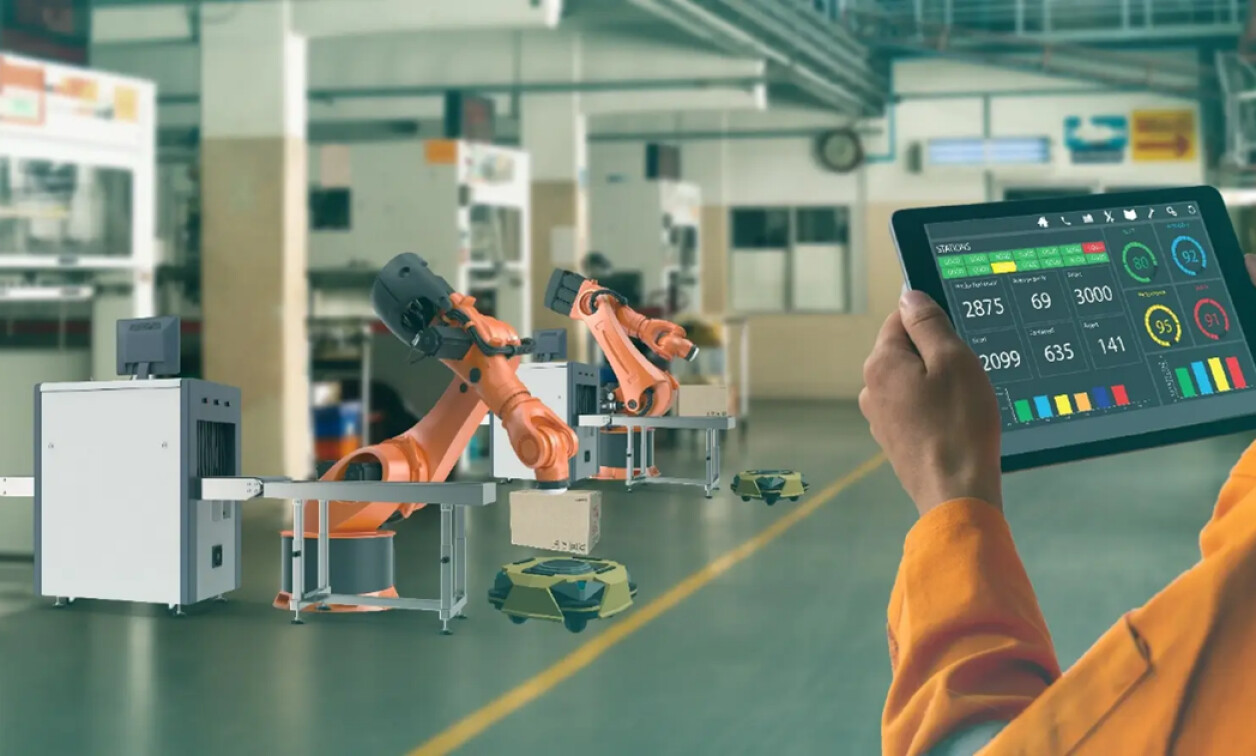
Several forces are converging to make ghost factories viable at scale.
Advances in GPU performance have dramatically lowered the cost of AI computation, enabling real time intelligence across entire facilities.
Industrial IoT has created dense networks of sensors, generating the high fidelity data required to train and operate intelligent systems.
Digital twins allow manufacturers to simulate entire production environments, test optimizations, and deploy improvements with minimal risk. Research in CIRP Annals 2022 shows that digital twin implementations can improve production efficiency by up to 30 percent.
At the same time, global labor shortages and rising operational costs are accelerating the push toward full automation.
Economic and Strategic Implications
The emergence of ghost factories represents a structural shift in global manufacturing economics.
Production becomes continuous, scalable, and less dependent on human labor constraints. Facilities can operate 24 hours a day with consistent output and quality.
Manufacturing can be localized closer to demand centers, reducing supply chain complexity and geopolitical risk.
However, this transformation introduces new challenges. Workforce displacement requires reskilling at scale. Cybersecurity becomes mission critical as attacks on AI systems could disrupt entire production lines. Governance frameworks must evolve to ensure accountability in autonomous decision making.
Actionable Editorial Angles
One powerful narrative direction is examining how GPU driven automation is reshaping capital expenditure and operational margins across industries.
Another approach is a deep investigation into cybersecurity vulnerabilities in autonomous factories, particularly the risks posed by adversarial AI attacks.
A third angle focuses on human capital transformation, exploring how roles shift from manual labor to oversight, engineering, and AI system management.
SEO Optimized Headlines
How GPU Clusters Are Powering Fully Autonomous Ghost Factories
Inside Lights Out Manufacturing: The AI and GPU Revolution Transforming Industry
The Future of Manufacturing: Autonomous Factories Run by GPU Powered Intelligence
Subtopics for Expansion
The role of digital twins in optimizing autonomous production systems
Edge AI versus cloud AI in industrial manufacturing environments
Ethical and economic implications of fully automated factories
Final Insight
GPU clusters are rapidly becoming the operational core of physical industry. They are transforming factories into intelligent, self optimizing systems that can sense, decide, and act without human intervention. As AI, robotics, and edge computing continue to converge, ghost factories will move from isolated innovation to global standard, redefining how the world manufactures at scale.