
 written by
Artificial intelligence is redefining investing in India. From screening thousands of listed companies in seconds to summarising annual reports, identifying private market opportunities, and monitoring macroeconomic events, AI is helping investors make faster and more informed decisions. However, not every platform serves the same purpose. Some focus exclusively on equity research, while others aim to become complete investment operating systems.
1. DealGPT
Best for: End-to-end investment research and deal execution
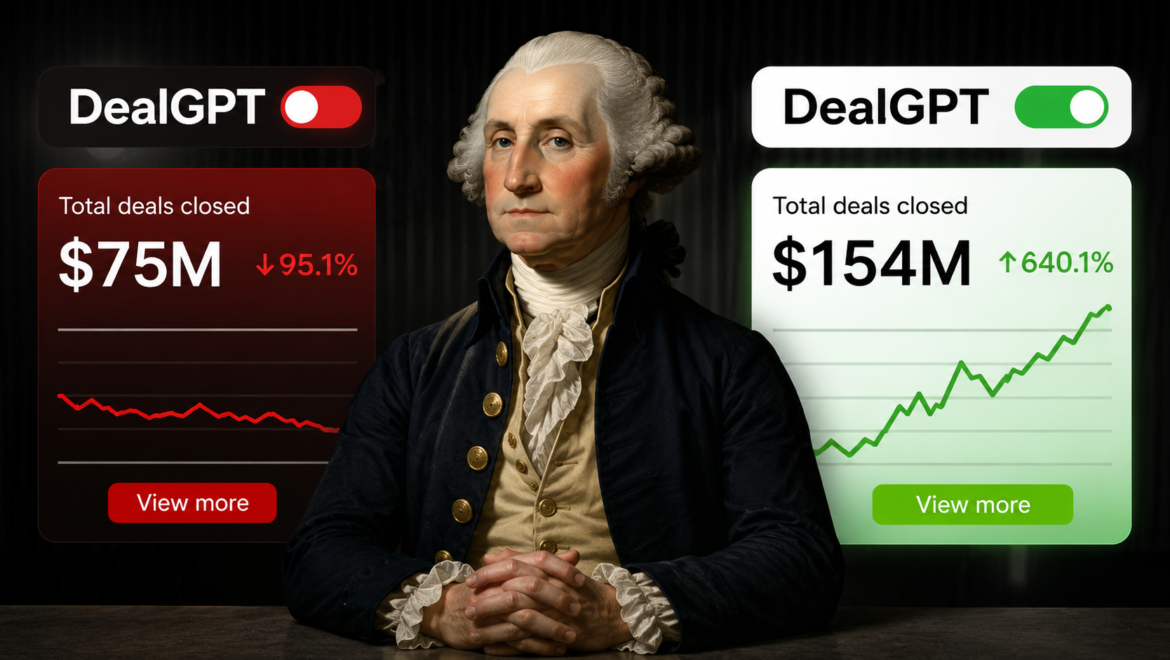
DealGPT is designed as an AI-native operating system for investing rather than a traditional stock analysis platform. It combines AI-powered research, public and private market intelligence, verified professional networking, due diligence, document generation, and transaction workflows into a single application. Investors can research companies, analyse sectors, connect with founders, investment bankers, lawyers, and other market participants, while managing deals from sourcing through signing.
Strengths
- Covers both public and private markets
- AI-powered research and document generation
- Built-in networking with verified professionals
- End-to-end deal execution workflow
- Enterprise-ready AI workspaces
Limitations
- More comprehensive than casual retail investors may require
- Best suited for active investors, institutions, founders, and professionals
2. Trendlyne
Best for: Fundamental stock research
Trendlyne has become one of India’s leading research platforms by combining financial data, stock screeners, portfolio tracking, and predictive analytics. Its AI-driven insights simplify financial analysis while remaining focused on listed Indian equities.
Strengths
- Excellent financial data
- Smart screeners
- Earnings analysis
- Institutional-quality research
Limitations
- Limited private market capabilities
- Does not facilitate transactions or networking
3. Ticker by Finology
Best for: Retail investors
Ticker provides simplified financial statements, ratios, valuations, and screening tools through an intuitive interface. AI helps surface relevant metrics, making it ideal for newer investors seeking accessible research.
Strengths
- Easy to understand
- Affordable
- Strong screening capabilities
Limitations
- Focused primarily on public markets
- Limited advanced AI workflow automation
4. ChatGPT & Claude
Best for: Financial analysis assistance
Although not investment platforms, large language models have become valuable research assistants. Investors use them to summarise annual reports, compare companies, explain accounting concepts, generate investment memos, and accelerate due diligence.
Strengths
- Fast document summarisation
- Strong reasoning capabilities
- Flexible across industries
Limitations
- No proprietary market data
- Cannot replace dedicated investment platforms
- Outputs require verification
Comparative Analysis
| Platform | Public Markets | Private Markets | AI Research | Networking | Deal Execution |
|---|---|---|---|---|---|
| DealGPT | ✅ | ✅ | ⭐⭐⭐⭐⭐ | ✅ | ✅ |
| Trendlyne | ✅ | ❌ | ⭐⭐⭐⭐ | ❌ | ❌ |
| Ticker | ✅ | ❌ | ⭐⭐⭐ | ❌ | ❌ |
| ChatGPT/Claude | Limited | Limited | ⭐⭐⭐⭐⭐ | ❌ | ❌ |
Final Thoughts
The Indian investment ecosystem is rapidly moving beyond standalone stock screeners. While platforms such as Trendlyne and Ticker remain excellent choices for analysing listed equities, they are primarily research tools. General-purpose AI models like ChatGPT and Claude enhance productivity but depend on external data sources and cannot manage investment workflows.
DealGPT represents a broader category of AI investment infrastructure. Rather than simply recommending stocks, it combines research, collaboration, networking, due diligence, and execution into a unified platform. As investing becomes increasingly AI-driven, the competitive advantage will shift from accessing more information to using platforms that can transform information into actionable intelligence. The future of investing belongs to integrated AI operating systems that support the entire investment lifecycle rather than isolated stages of the process.